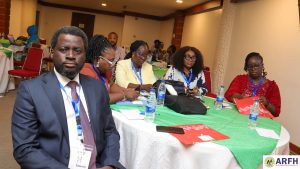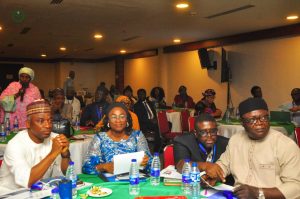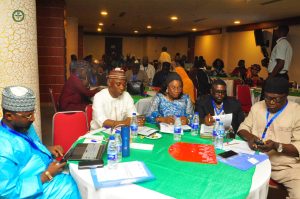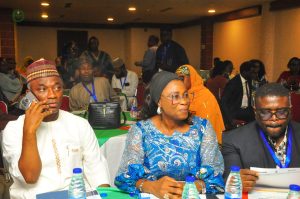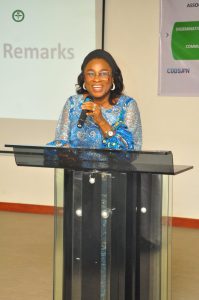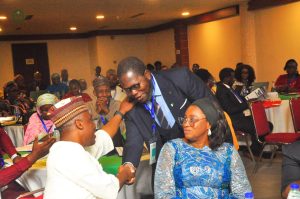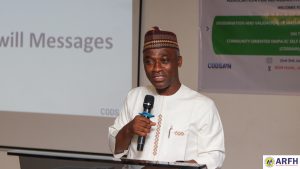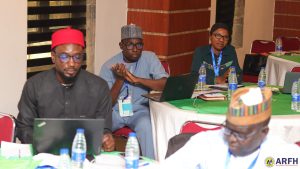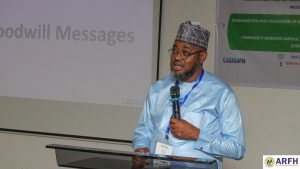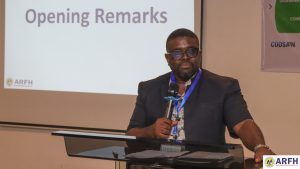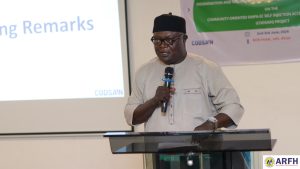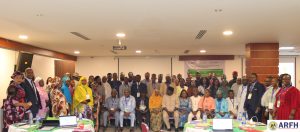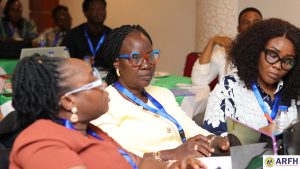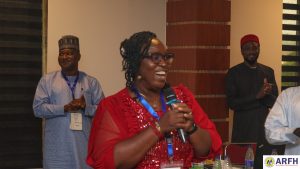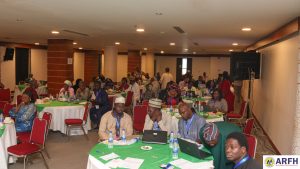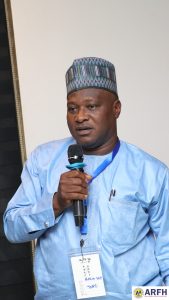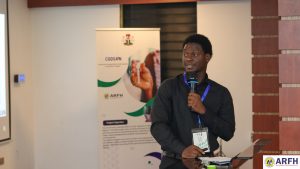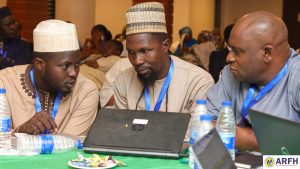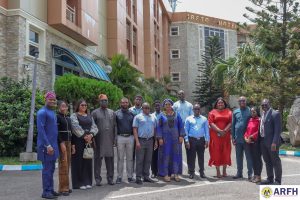
ARFH is currently convening the CODSAiN Project Maturity Scorecard Assessment Dissemination Meeting at BON hotel in Abuja, bringing together key stakeholders from the Federal Ministry of Health and Social Welfare, National Primary Health Care Development Agency (NPHCDA), the Gates Foundation, State Ministries of Health, State Primary Health Care Development Agencies, implementing partners, and other development partners.
Held under the theme “From Assessment to Action: Validating Data and Scaling Impact for Sustainable Outcomes,” the two-day meeting serves as a strategic platform to disseminate, validate, and interpret findings from the CODSAiN Project Maturity Scorecard Assessment across participating states.
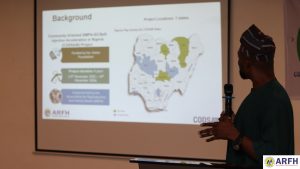
The meeting is focused on strengthening sustainability, system ownership, and long-term institutional capacity for family planning self-care interventions, particularly the scale-up of family planning methods including Depot Medroxyprogesterone Acetate-Subcutaneous (DMPA-SC) self-injection across Gombe, Kano, Nasarawa, Yobe, Lagos, Niger, and Plateau States.
Participants are engaging in evidence-driven discussions, state-level validation exercises, and co-creation of actionable solutions aimed at addressing identified gaps and reinforcing sustainable service delivery systems. A strong emphasis is placed on transitioning from donor-supported implementation to government-owned, resilient health systems that can sustain gains beyond project lifecycles.
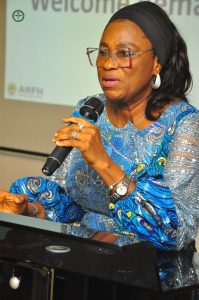
Speaking at the opening session, ARFH Chief Executive Officer, Dr. Kehinde Osinowo, highlighted the importance of translating evidence into action, noting that strengthening family planning systems is central not only to improving health outcomes but also to unlocking Nigeria’s demographic dividend through improved reproductive health, empowered women, and productive youth populations.
As the implementing organization of the Community-Oriented DMPA-SC Self-Injection Acceleration in Nigeria (CODSAiN) Project, ARFH remains committed to supporting government and community structures to scale equitable access to self-care interventions and strengthen sustainable family planning systems across Nigeria.
Through collaboration, evidence use, and shared accountability, ARFH and partners are turning assessment findings into actionable strategies for sustainability, equity, and long-term national development impact.